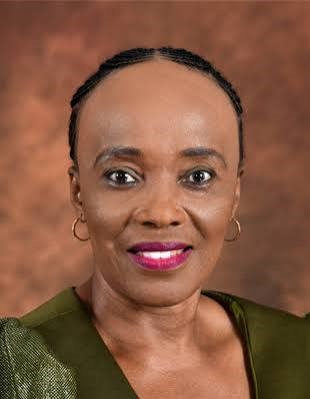
Minister of Women, Youth and Persons with Disabilities Sindisiwe Chikunga is set to host a high-level Chinese delegation led by Mr Zhang Weixing, Vice Chairperson of the China Disabled Persons’ Federation (CDPF), as South Africa and China seek to deepen cooperation on the rights, inclusion and socio-economic empowerment of persons with disabilities.
The engagement is expected to provide an important platform for both countries to exchange experiences and explore practical areas of cooperation aimed at improving the lives of persons with disabilities.
The meeting comes as South Africa continues to strengthen efforts to promote an inclusive society in which persons with disabilities have equal opportunities to participate in economic, social and community development.
The Chinese delegation’s visit is expected to focus on areas including disability rights, social inclusion, economic empowerment, skills development and access to opportunities for persons with disabilities.
China has developed a range of programmes and institutions aimed at supporting persons with disabilities, including initiatives focused on employment, rehabilitation, education and participation in community life. The exchange with South African officials could provide an opportunity to learn from these experiences while identifying approaches that can be adapted to the South African context.
Minister Chikunga is expected to emphasise the importance of international partnerships in advancing government’s disability inclusion agenda. South Africa has adopted policies and legislation aimed at protecting the rights of persons with disabilities, while also seeking to address barriers that continue to limit their participation in the economy and society.
The engagement with the Chinese delegation could also open opportunities for stronger collaboration between government institutions, disability organisations and other stakeholders in both countries.
Economic empowerment is expected to remain an important part of the discussions. Persons with disabilities continue to face challenges in accessing employment, entrepreneurship opportunities, education and skills development. Greater international cooperation could assist in identifying new models for supporting entrepreneurs with disabilities and improving access to markets and technology.
The talks may also explore opportunities for knowledge sharing in areas such as assistive technology, accessible infrastructure, vocational training and rehabilitation services. Such cooperation could contribute towards creating environments where persons with disabilities can participate more fully in economic and social activities.
The visit further reflects the broader relationship between South Africa and China, which has expanded beyond trade and investment into areas of social development, education, skills and people-to-people cooperation.
For South Africa, strengthening international partnerships on disability matters is particularly significant as the country works towards building a society based on equality, dignity and inclusion.
The engagement between Minister Chikunga and the Chinese delegation therefore represents an opportunity to move beyond policy discussions and consider practical initiatives that can have a direct impact on communities.
As the two sides exchange experiences, the expected outcome is stronger cooperation that supports the empowerment of persons with disabilities and promotes their meaningful participation in society.
The discussions could ultimately contribute to a shared commitment by South Africa and China to advance disability rights, remove barriers to inclusion and create greater socio-economic opportunities for people with disabilities in both countries