
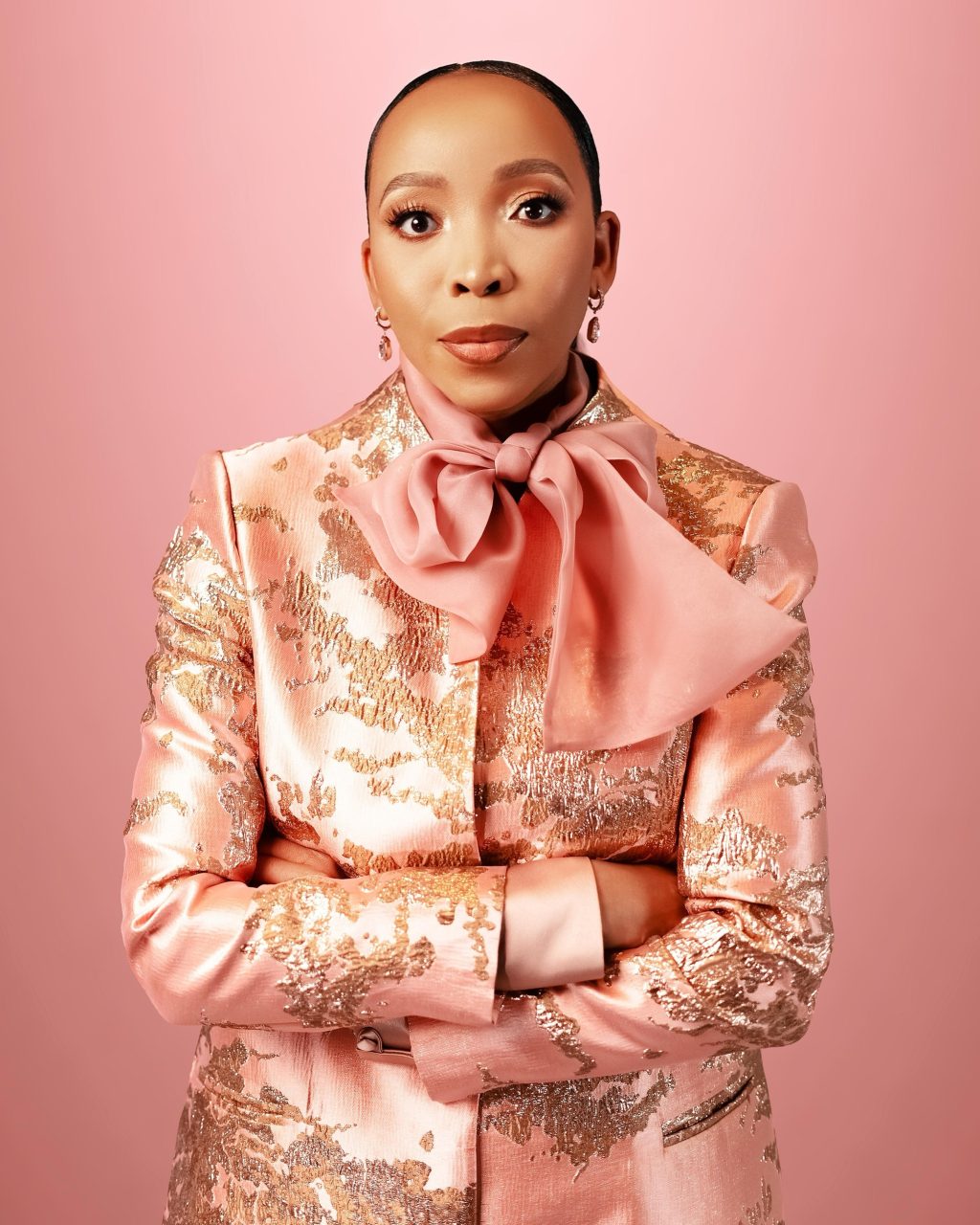
By Mmanaka Kelobonye; Product Portfolio Manager: FNB Employee Benefits
For many working South Africans, financial planning has little to do with building wealth. It is mostly about making it to the next payday. Income is quickly absorbed by housing, food, transport, education, debt, and other essential costs. In this high-cost environment, advice to save more can sound unrealistic or even insensitive.
But wealth creation does not need to only begin when you have a large amount of spare money to invest. It can start simply by changing how you view your money. Instead of spending every rand you earn, try to put aside even a small amount whenever you can. The money you save today can help you deal with unexpected expenses, reach your goals, and give you greater financial security in the future. Every rand saved is a step towards a better tomorrow.
Importantly, this shift can happen even before you have much room for saving or investment in your budget. It could involve actively looking at how to reduce costly debt, build an emergency reserve, or increase retirement fund contributions – which is one of the easiest and most effective ways of building a better financial future.
Look for opportunities to create financial capacity:
Higher retirement contributions don’t have to wait until you get a salary increase. The money could come from many places. A debt repayment may come to an end. You may reduce an insurance premium, cancel an unused subscription, or find a less expensive service provider. When an expense falls away, try to redirect at least part of that money towards your retirement savings before your lifestyle expands to absorb it.
A settled loan, for example, could release the R500 monthly repayment to add to your retirement contribution. Because you are used to living without it, the adjustment should be easier to sustain. This doesn’t mean every extra rand has to be invested. The aim is balance, so that improvements in your circumstances support both life today and security tomorrow.
Small increases can become meaningful amounts:
The effect of increasing retirement contributions gradually can be significant. Take the example of a 30-year-old employee who has R200 000 in retirement savings and contributes R3 000 a month. Assuming an investment return of 7% a year, compounded monthly, keeping that monthly contribution unchanged could grow the fund to about R5,28 million by age 60.
If she increases her contribution by 5% each year, adding R150 a month in the first year, the fund could grow to around R7,95 million over the same period. That is a difference of about R2,67 million. So, a small increase may not feel significant initially, but its power lies in its accumulated value. Starting as soon as possible gives each additional contribution more time to grow.
Shift from consumption to asset building:
Additional retirement saving is just one way to build long-term wealth, but the principle goes much further. A wealth creation mindset is about what we choose to do with the financial capacity available to us. That requires a shift from thinking only about what money can buy today to considering what it can build over time. Before taking on a new expense, don’t only think about whether you can afford the monthly payment; also consider whether the decision will strengthen or weaken your future financial position.
Not everything with a resale value is a wealth-building asset. A more expensive car may improve your lifestyle, but it will generally lose value. In contrast, retirement savings, long-term investments and certain forms of property may contribute more directly to future security. The point is not to avoid lifestyle spending, but to balance consumption and asset building.
Debt also demands careful attention. Borrowing to support a lifestyle that your current income can’t sustain works against wealth creation, so reducing expensive debt is an important first step. Once that debt is settled, redirecting some of the former repayment towards savings and investments can turn short-term progress into long-term value.
Use the benefits already available to you:
As an employee, it’s important to understand the retirement and financial wellness benefits available to you through your workplace and how you can take advantage of these to build the future you want. This includes knowing how much you currently contribute to your retirement fund, whether your employer also contributes, how and where your retirement savings are invested and whether additional voluntary contributions are allowed.
If your employer’s retirement fund is administered by FNB Employee Benefits, you can view your retirement fund information, including your contributions and investment details, by logging in to the FNB App or FNB.co.za. If your employer offers the FNB Employee Benefits Voluntary Contributions option, you can also choose to save more towards your retirement through additional voluntary contributions. Speak to your employer or HR representative to find out how this option is available to you and how to get started.
Automating a higher contribution can be especially effective because the money is directed towards retirement before it becomes available for everyday spending. Review your contribution whenever debt is repaid, costs fall or any other source of financial capacity appears.
Most importantly, remember that wealth creation is not reserved for high earners or people with large amounts of disposable income. It is built through repeat decisions about what to spend, what to preserve and what to invest. Most of those decisions can be made before the money is available so that, when the next bit of financial capacity appears, the choice is automatically to use at least some of it to build the future you want.