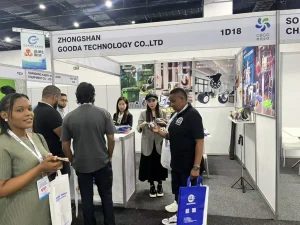

South Africa is taking significant steps to deepen its scientific and technological partnership with the People’s Republic of China, a move expected to unlock new opportunities in research, innovation, education, and economic development. As the relationship between the two countries continues to mature, science and technology have emerged as key pillars of cooperation that promise long-term benefits for both nations.
During recent high-level engagements between South African and Chinese officials, both countries reaffirmed their commitment to expanding collaboration in science, technology and innovation. Discussions focused on strengthening joint research programmes, promoting innovation, supporting young scientists, and enhancing cooperation in emerging fields such as artificial intelligence, biotechnology, renewable energy, health sciences, and space science. The two governments are also working towards new agreements, including cooperation on the peaceful use of outer space and a renewed Memorandum of Understanding on Science, Technology and Innovation.
The growing partnership reflects a shared belief that scientific cooperation is essential for addressing global challenges such as climate change, food security, public health, and sustainable economic growth. By combining South Africa’s research capabilities with China’s technological expertise and investment, both countries hope to accelerate innovation while creating practical solutions that improve people’s lives.
South Africa’s universities, science councils and research institutions stand to benefit greatly from increased collaboration with Chinese counterparts. Joint research projects will provide opportunities for knowledge exchange, skills development, and access to advanced laboratories and cutting-edge technologies. Young researchers and postgraduate students are also expected to benefit from scholarships, academic exchanges and collaborative training programmes designed to build the next generation of scientists.
The partnership also supports South Africa’s broader development agenda by encouraging innovation-led industrialisation. Scientific breakthroughs in agriculture could help farmers improve crop yields and strengthen food security, while cooperation in renewable energy may contribute to reducing electricity shortages and supporting the country’s transition towards cleaner energy sources. Advances in digital technologies and artificial intelligence are expected to improve productivity across industries and create new opportunities for entrepreneurs and small businesses.
China has become one of South Africa’s most important strategic partners, with cooperation extending beyond trade and investment into education, infrastructure, healthcare, and scientific research. The strengthening of science and technology ties demonstrates both countries’ commitment to building a knowledge-based economy capable of competing in an increasingly digital world.
For ordinary South Africans, stronger scientific cooperation has the potential to translate into improved healthcare, better technology, new employment opportunities, and increased investment in research and innovation. As discoveries move from laboratories into communities, the benefits can be felt through better public services, modern industries and enhanced economic competitiveness.
As South Africa and China continue to expand their scientific partnership, the future looks promising. Through collaboration, innovation and shared expertise, the two nations are laying the foundation for sustainable development and technological advancement that will benefit future generations while strengthening one of Africa’s most important international partnerships.