
Agricultural exports surge by 35% as zero-tariff arrangements open new opportunities for businesses, farmers and consumers in both countries.
The growing trade relationship between China and South Africa is increasingly telling a story of mutual benefit, shared economic opportunities and a commitment to strengthening cooperation between two important partners of the Global South.
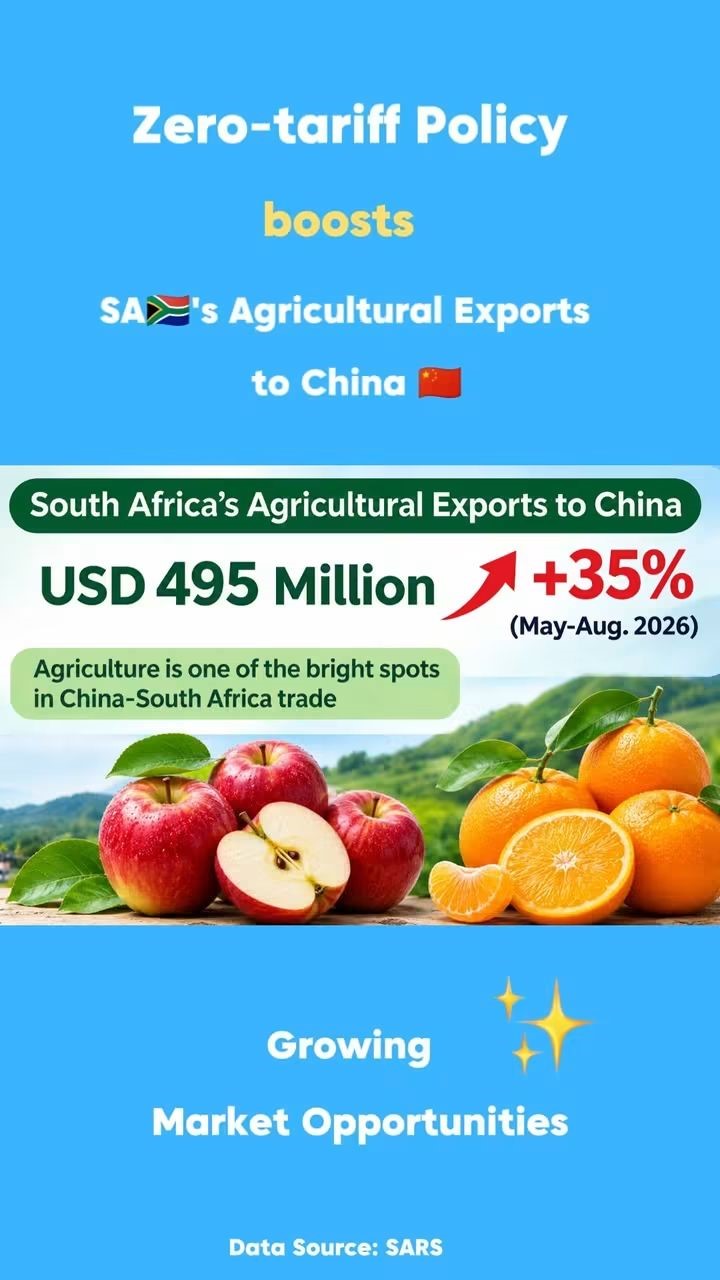
Recent trade figures have highlighted the positive momentum in bilateral economic relations, with South African agricultural exports to China increasing by more than 35% year-on-year to nearly US$500 million between May and August 2026.
The growth follows China’s introduction of zero-tariff treatment for qualifying African products, creating new opportunities for South African businesses to access one of the world’s largest consumer markets.
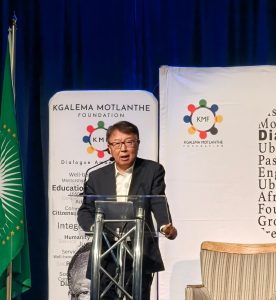
Chinese Ambassador to South Africa Wu Peng highlighted the significant progress in trade relations, noting that bilateral trade between the two countries reached nearly US$15 billion during the four-month period, representing an increase of almost 24% compared with the same period last year.
South African exports to China grew by nearly 25% to US$5.3 billion, demonstrating the country’s growing ability to compete in the Chinese market.
For South Africa, the opportunities extend beyond traditional mineral exports. Agricultural products such as citrus, cherries, stone fruit and other locally produced goods are increasingly finding opportunities in China, offering farmers access to a larger market and potentially supporting employment, investment and rural economic development.
The opening of China’s market to South African cherries in September 2026 represents another important milestone. The agreement provides local producers with access to a major international market and creates opportunities for investment in agricultural production.
The zero-tariff arrangement is also expected to encourage South African companies to explore value-added exports, helping the country move beyond the export of raw materials towards products that generate greater economic value locally.
China, meanwhile, benefits from access to quality South African agricultural products, minerals, manufactured goods and other commodities that support its economic development and consumer demand.
The relationship also presents opportunities for Chinese businesses to invest in South Africa’s manufacturing, agriculture, infrastructure and industrial sectors. Such investments could strengthen local production capacity, create employment and contribute to skills development.
However, experts and policymakers continue to emphasise the importance of ensuring that trade growth translates into tangible benefits for ordinary South Africans. Expanding exports, supporting small businesses and strengthening local industries remain important priorities.
The two countries are also working towards broader market access for additional agricultural products, which could further strengthen trade in the coming years.
As China and South Africa continue to deepen their economic cooperation, the increasing trade figures demonstrate the potential of partnerships based on complementary strengths.
Ultimately, the growing relationship reflects a shared vision in which South African producers gain access to international markets while Chinese consumers and businesses benefit from reliable products and new investment opportunities.
With agriculture leading the latest export growth, the China–South Africa partnership is increasingly demonstrating how trade can become a vehicle for shared prosperity, economic transformation and a genuine win-win relationship.