The Illicit Economy Disruption Programme announced in February’s State of the Nation Address has had little to no impact on the illicit cigarette trade to date, new research shows.
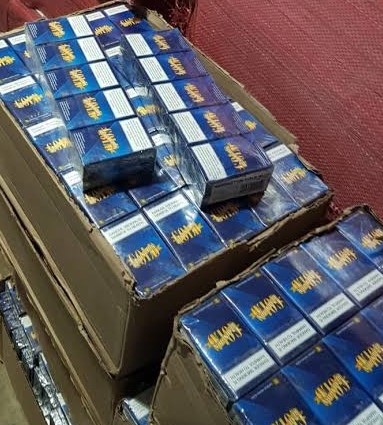
In its first Cigarette Retail & Wholesale Price Research study since the President’s announcement of Operation Ukubusa, independent research firm Ipsos has found cigarette brands priced below the Minimum Collectable Tax (MCT) continue to be freely available in three out of four stores in the country (~75%).
Packs of cigarettes selling at the ultra-low end of the market, going for less than R20 a pack, were available in almost two thirds of stores (~65%).
Manufacturers of these brands have shifted even greater volumes of their products into price bands below the current MCT of R27.12, indicating intensifying competition within the illicit cigarette market.
“These results show that while the President has recognised the threat of the illicit tobacco trade and signalled government’s intention to address it, illicit manufacturers continue to operate with impunity, openly selling their brands for less than the taxes due on every pack,” said Johnny Moloto, Head of Corporate & Regulatory Affairs for BAT Sub-Saharan Africa.
“SARS must demonstrate that there are consequences for profiting from illicit trade.”
South Africa is losing the battle against illicit trade
“The only conclusion from these results is that South Africa is losing the battle against illicit tobacco and on the current trajectory will end up with an entirely illicit tobacco market, with no legal industry left,” said Moloto.
“This is not just about the survival of legal industry or lost government excise tax revenue, which we estimate at R30 billion a year. It is about the formal jobs and livelihoods being lost to illicit trade across the economy. It’s about the sprawling criminal networks taking over our country, crippling our law enforcement bodies and operating with total impunity. It’s about the ability of our economy to grow and provide employment. It’s about our future as a country.”
Research commissioned by the Consumer Goods Council of South Africa has estimated the total size of the illicit economy across 12 sectors at R280 billion, resulting in lost production within legal industry of R193 billion and a direct employment impact of as many as 87,500 jobs.
“BAT’s decision earlier this year to close our South Africa factory, a direct result of illicit trade taking over the market, is an early warning for the rest of the economy of what the future looks like unless we get serious about dealing with illicit operators,” said Moloto.
Level the playing field
Moloto said BATSA had consistently advocated for the urgent introduction of a Minimum Retail Price of R38 for cigarettes, which would make it illegal to sell cigarettes for less than this amount. This would provide law enforcement with a simple, effective tool to identify non-compliant products.
“At the moment, several different pieces of legislation need to be read together to identify illicit products, requiring SAPS to bring in specialists from other areas of government simply to determine whether a product is illicit,” he said.
In a presentation to Parliament late last year, SARS itself called the introduction of an MRP a measure that will “level the playing field” in the tobacco market.
“Further, we believe that manufacturing licences should be revoked for companies found to be consistently under-declaring their production volumes or engaging in tax evasion,” Moloto said.
“The international community is watching. Government has the means to turn this situation around. The time for action is now.